Capital One Cafés - Where Banking Meets Living
A thought piece on why Capital One Cafés even make sense to open from the bank's perspective


Capital One Cafés blend banking services with a café setting, giving customers and non-customers alike a place to work, relax, or handle financial questions. Nothing in life is free, though, and free spaces are usually worth a second look to understand why they exist.
What to Expect at a Capital One Café
The spaces are open to everyone, with comfortable seating, free Wi-Fi, and enough outlets to make them genuinely useful for working or waiting out bad weather. I've dropped by several times for exactly that.
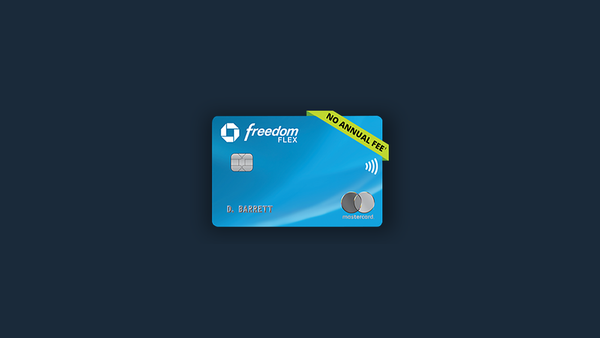
The food and drink side is handled through partnerships with local coffee roasters, offering handcrafted beverages and a rotating food menu. Capital One cardholders get a 50% discount on handcrafted drinks when paying with their card, which doubles as an incentive for non-cardholders to sign up.
Meeting rooms and smaller nooks can be reserved for group gatherings or personal use, and the cafés have hosted community events ranging from chef-led experiences to holiday-themed giveaways.
Café Ambassadors are on hand to help with banking questions, from opening accounts to general financial advice, with no appointment required. This is probably where most of the actual business value gets created.
The Strategic Rationale Behind the Cafés
Offering a free, accessible space with no card or account required is a deliberate acquisition strategy. It draws in a broad range of visitors, including high-earning remote workers and entrepreneurs, and does so in a few overlapping ways.
Time spent in the café builds familiarity with the brand, which functions as a slow customer acquisition channel. A Capital One representative in Chicago described the goal as reimagining banking in a different way, and the team leading the café expansion has emphasized customer satisfaction over pure growth metrics, framing the cafés as a response to what customers actually want rather than a stat to hit. The café model also differentiates Capital One from a traditional bank branch, positioning it as more oriented around customer experience and community than the standard teller-line setup.
The fact that these cafés have kept opening and expanding over the years is itself evidence they're working. A comfortable space today is a long, low-pressure pipeline toward a customer relationship down the road.
Locations and Accessibility
There are more than 50 locations across the U.S., concentrated in urban areas and designed to function as accessible community hubs. The Boston Back Bay location, for instance, offers a comfortable space to recharge regardless of whether you bank with Capital One at all.
The Takeaway
Visitors generally describe the atmosphere as inviting, with the cafés working well as spots to study or work and staff who make the experience better rather than worse. Capital One Cafés combine banking with a café setting in a way that serves financial and social needs at once, whether that means getting financial guidance, finding a place to work, or just getting a decent cup of coffee. I don't actually do most of my banking with them, despite how much I've talked them up here, but they remain genuinely good places to drop by and get work done.